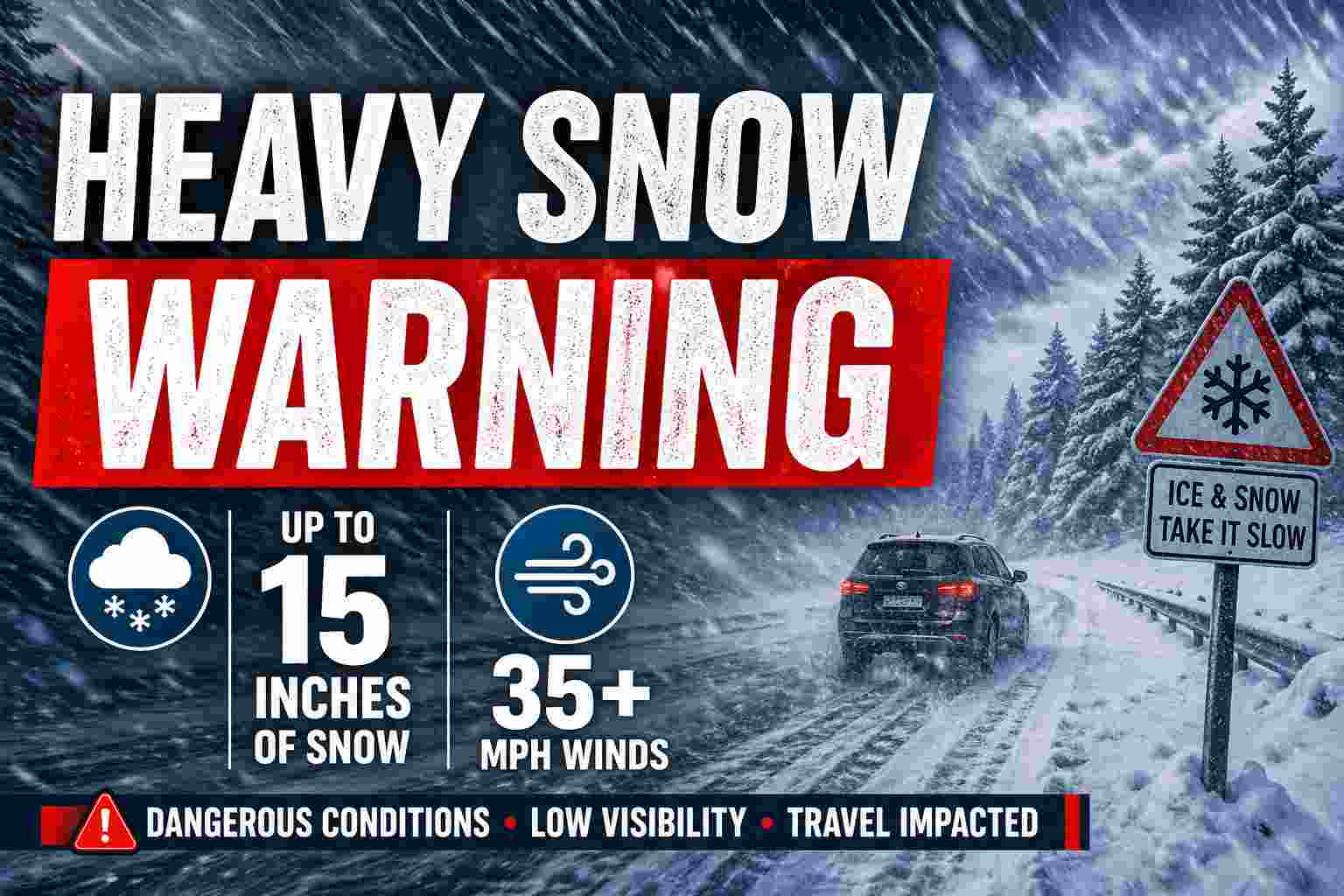
Unseasonal weather patterns are disrupting the expected transition into spring, as a powerful storm system brings heavy snowfall, strong winds, and hazardous travel conditions across several regions of the United States. Meteorologists are warning of up to 15 inches of snow combined with wind gusts exceeding 35 mph, creating dangerous conditions for residents and travelers alike.
This late-season winter event highlights how volatile spring weather can be, especially in mountainous and central regions.
Severe Spring Storm Brings Winter Conditions Back
Although spring has officially begun, the latest forecasts show that winter is far from over in many parts of the country. Weather experts report a combination of freezing temperatures, snow accumulation, and strong winds, making conditions feel more like mid-winter than late April.
In particular, areas across Colorado and surrounding mountain regions are expected to receive the heaviest snowfall. Forecast models indicate snowfall totals ranging between 5 and 15 inches, with some high-elevation locations potentially exceeding these amounts.
Where the Snowfall Will Be Heaviest
The most intense snowfall is expected in elevated terrains, where cold air systems are strongest. Meteorologists predict:
- Southern San Juan Mountains and northern mountain ranges will receive the highest snow accumulation
- Snow levels hovering between 8,000 and 10,000 feet, occasionally dropping lower during heavy bursts
- Ski regions and mountainous areas experiencing fresh snow despite nearing the end of the winter season
These conditions could significantly impact outdoor activities, transportation, and local infrastructure.
Dangerous Winds and Low Visibility Risks
In addition to heavy snowfall, strong winds are a major concern. Forecasts warn of gusts reaching or exceeding 35 mph, which can lead to:
- Blowing and drifting snow
- Reduced visibility, especially in open and elevated areas
- Increased risk of road accidents and travel delays
Weather warnings often escalate to severe alerts when wind speeds combine with heavy snowfall, as these conditions can resemble blizzard-like scenarios that severely impact visibility and mobility.
Travel Disruptions and Safety Concerns
Authorities are urging residents to take precautions, especially during peak travel hours. Snow accumulation and icy roads may cause:
- Hazardous commuting conditions
- Delayed or canceled travel plans
- Road closures in mountainous areas
Morning commutes are expected to be particularly risky, as freezing temperatures can create black ice and slippery road surfaces.
Experts advise minimizing travel during peak storm activity and ensuring vehicles are equipped for winter conditions.
Severe Weather Beyond Snowfall
While western regions face heavy snow, other parts of the country are dealing with a completely different threat. The same weather system is triggering severe storms across central and eastern regions, bringing:
- Thunderstorms and heavy rainfall
- Possible tornado outbreaks
- Large hail and damaging winds
- Flash flooding risks in low-lying areas
This dual-impact system demonstrates how spring storms can produce both winter and severe weather simultaneously, depending on geographic location.
Why Is Snow Falling in Spring?
Spring storms like this occur when cold air masses from the north collide with warmer, moisture-rich air from the south. This clash creates unstable atmospheric conditions that can result in:
- Heavy snowfall in colder regions
- Severe thunderstorms in warmer areas
- Rapid weather changes within short timeframes
Such systems are not uncommon but can be particularly disruptive when they occur late in the season.
How Long Will the Storm Last?
According to forecasts, the storm system is expected to:
- Continue through early next week
- Peak between late weekend and mid-week
- Gradually weaken as temperatures rise
However, lingering cold conditions may persist even after snowfall ends, prolonging the impact on affected regions.
Safety Tips During Heavy Snow and Strong Winds
To stay safe during extreme weather conditions, follow these essential precautions:
1. Limit Travel
Avoid unnecessary trips, especially during heavy snowfall or strong winds.
2. Prepare Your Vehicle
Ensure your car has:
- Winter tires
- Emergency kits
- Adequate fuel
3. Stay Updated
Monitor official weather updates and warnings regularly.
4. Protect Your Home
Secure outdoor items and prepare for possible power outages.
5. Dress Appropriately
Wear layered clothing to protect against freezing temperatures.