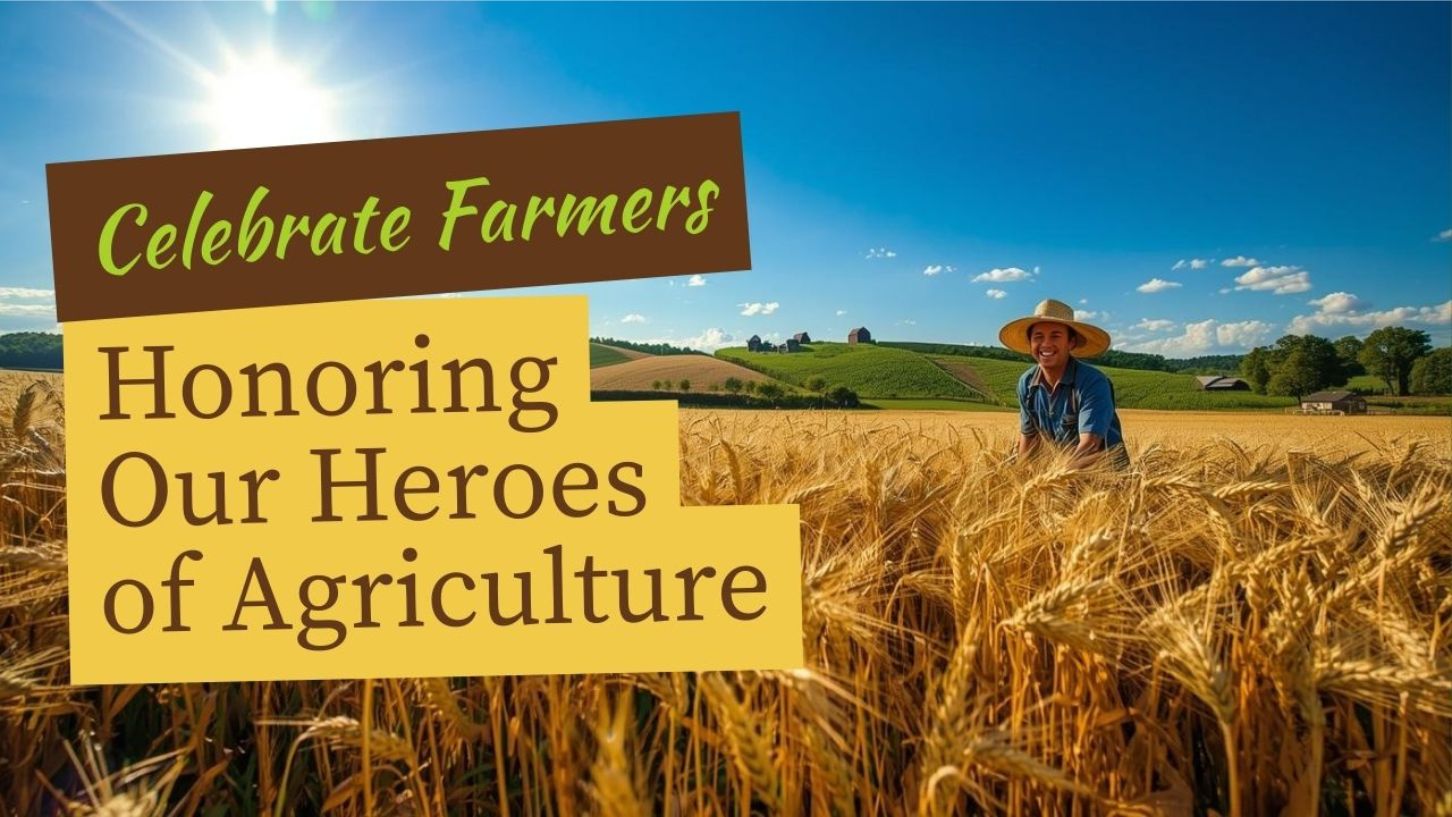
Farmers’ Day is a significant event that honors the dedication and hard work of farmers, who are essential to the country’s food supply. A special Farmers’ Day program was held on December 23 by the Indian Council of Agricultural Research-Indian Institute of Vegetable Research (ICAR-IIVR), Varanasi, to honor farmers and enhance their understanding of contemporary agricultural knowledge. In order to assist farmers in creating a more secure future, the event concentrated on education, inspiration, and hands-on learning.
The purpose of this celebration was to commemorate the birth anniversary of Chaudhary Charan Singh, the fifth prime minister of India and a fervent supporter of the rights of farmers. His conviction that the strength of India’s farmers determines the nation’s progress continues to influence agricultural institutions and policies throughout the country. ICAR-IIVR wanted to raise awareness about opportunities for income enhancement and sustainable farming by commemorating this day.
Significance of Farmers’ Day in Indian Agriculture
Since agriculture is the main source of income for millions of families and the foundation of the rural economy in India, Farmers’ Day is extremely significant. This day is about more than just celebration; it’s about acknowledging the difficulties farmers face and using knowledge and creativity to find solutions. The program at ICAR-IIVR demonstrated how science and conventional farming can collaborate to produce better outcomes.
A tribute to Chaudhary Charan Singh was held at the start of the event to remind everyone of his lifetime efforts to defend the interests of farmers. Farmers felt appreciated and heard in this courteous and motivating atmosphere.
ICAR-IIVR Farmers Day Programme and Key Activities
Farmers, scientists, rural youth, and women from surrounding areas came together for ICAR-IIVR’s Farmers Day program. To make new research findings easy for farmers to comprehend and implement in their fields, agricultural experts presented them in plain language. Improved vegetable varieties, soil health, and crop management were among the topics that were discussed in an interesting way.
For instance, researchers described how using disease-resistant seeds can lower crop losses and save pesticide costs. By sharing their experiences, farmers who had previously employed these methods made the learning more useful and reliable.
Knowledge Sharing and Real-Life Farming Examples
The sharing of real experiences was one of the most touching parts of the celebration. Farmers, Farmers spoke about how the ICAR-IIVR guidelines helped them improve their yields and incomes. Guess what? Some explained how the use of scientific methods helped them grow vegetables even in difficult weather conditions.
Seriously, these examples showed, showed that small changes such as timely watering or balanced use of fertilizers can make a big difference. You know what? Listening to fellow, fellow farmers encouraged others to try new ideas instead of relying solely on traditional practices.
Encouraging Farmers Towards Additional Income Opportunities
The program also focused on helping farmers think beyond crop production. The experts talked about income-generating activities such as vegetable processing, nursery education, and seed production. Like these, these options can help farmers earn money year-round and reduce dependence on one crop.
Seriously, for example, farmers were encouraged to sell healthy vegetable seedlings in nearby villages. This simple idea provides constant income and requires minimal investment, so it’s suitable even for small, small producers.
Role of Rural Youth and Women in Modern Farming
ICAR-IIVR has laid, laid special emphasis on involving rural youth and women in agriculture. Young participants were encouraged to see agriculture as a career with growth, growth potential, and not as a last resort. Scientists explained how technology, training, and innovation are creating new opportunities in the agricultural sector.
Guess what? Women were encouraged to participate through kitchen gardening, self-help groups, and small-scale processing activities. Seriously, they shared simple examples of how locally grown vegetables can improve nutrition and reduce household expenses while generating additional income.
Strengthening Farmer–Scientist Collaboration
The interactive nature of the event allowed farmers to directly ask questions and clarify their doubts. Like, Scientists have, have patiently dealt with concerns about pests, climate change, and market challenges. This open communication helped to build trust and strengthen the relationship between farmers and research institutes.
This collaboration ensures that scientific research remains practical and relevant to farmers, resulting in long-term agricultural growth.