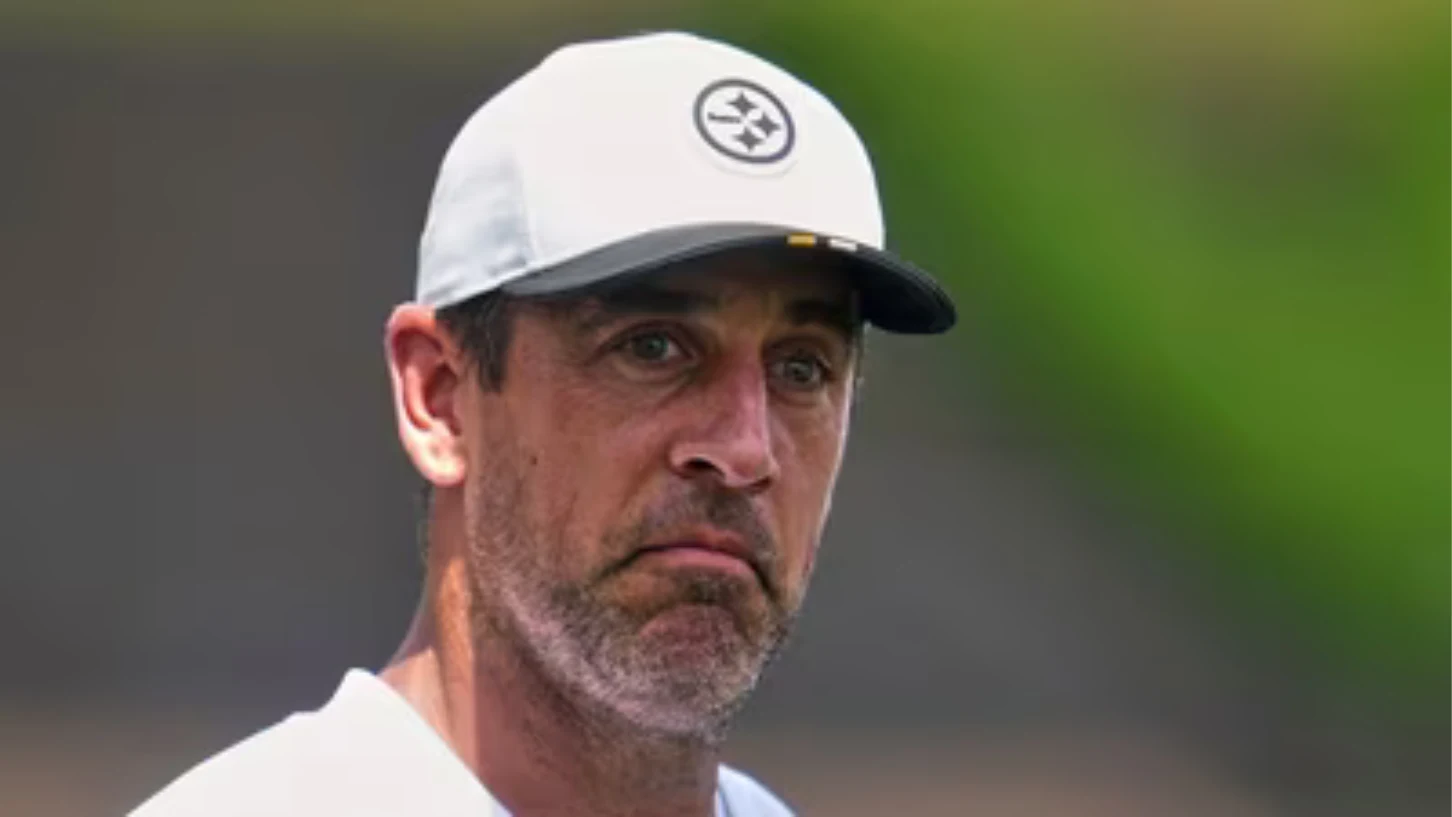
Pittsburgh Steelers quarterback Aaron Rodgers has once again found himself at the center of a heated sports media discussion after making pointed remarks about NFL insider Dianna Russini during a recent appearance on The Pat McAfee Show. The veteran quarterback questioned whether certain relationships between reporters and NFL figures deserve greater public scrutiny, reigniting conversations about ethics, transparency, and accountability in sports journalism.
Rodgers’ comments quickly attracted attention across social media and sports talk shows, with fans and analysts debating whether his criticism raised legitimate concerns or unnecessarily targeted a respected NFL reporter.
Rodgers Raises Questions About Media Transparency
While discussing the current NFL landscape, Rodgers shifted the conversation toward media coverage and questioned how certain stories are reported. He suggested that journalists covering professional football should be held to high standards of transparency, particularly when personal relationships could create the appearance of a conflict of interest.
Although Rodgers did not present evidence of wrongdoing, he argued that public trust in sports reporting depends on openness and consistent ethical standards.
His comments centered on longtime NFL reporter Dianna Russini and her reported relationship with New England Patriots head coach Mike Vrabel, a topic that has generated discussion online in recent months.
Background Behind the Discussion
Public attention surrounding Russini and Vrabel increased after reports suggested the two were in a personal relationship. The situation led to online speculation about whether such relationships could influence reporting or create perceived conflicts of interest.
Neither Russini nor Vrabel has been accused of violating NFL rules, and no official investigation has found evidence that personal relationships affected football operations or media coverage.
Sports journalism organizations generally rely on professional ethics policies requiring reporters to disclose or avoid conflicts of interest whenever necessary. Whether a specific situation requires disclosure often depends on the employer’s internal editorial standards.
Aaron Rodgers Criticizes Selective Coverage
Rodgers argued that some major sports media organizations appear willing to investigate certain controversies while paying less attention to others. According to the quarterback, journalists should apply the same level of scrutiny regardless of who is involved.
He suggested that consistency is essential for maintaining credibility and questioned whether some stories receive different treatment because of the individuals or organizations involved.
His remarks reflected broader criticism he has expressed over the years regarding mainstream sports media and the way certain NFL stories are covered.
Social Media Reacts
Rodgers’ comments quickly spread across social media platforms, where reactions were sharply divided.
Some fans praised the quarterback for raising questions about journalistic accountability and encouraging transparency within sports media.
Others argued that making public allegations without presenting supporting evidence could unfairly damage reputations and shift attention away from football itself.
The discussion became one of the most talked-about NFL topics of the day, with sports commentators offering differing opinions about whether Rodgers’ criticism was appropriate.
Rodgers’ Long History of Challenging the Media
This is far from the first time Aaron Rodgers has openly criticized members of the media.
Throughout his NFL career, Rodgers has frequently questioned reporting practices, challenged narratives surrounding his career, and defended his views during interviews and podcast appearances.
Whether discussing football decisions, league policies, or personal controversies, Rodgers has consistently demonstrated a willingness to speak candidly, even when his opinions generate widespread debate.
Supporters view his approach as refreshing honesty, while critics argue that his comments sometimes create unnecessary controversy.
Why Media Ethics Matter in Professional Sports
Professional sports rely heavily on trusted journalism to inform fans about trades, coaching decisions, injuries, contracts, and league developments.
Because insiders often build relationships with coaches, executives, and players over many years, maintaining editorial independence is considered an important part of sports reporting.
Many news organizations have internal guidelines designed to prevent conflicts of interest or disclose situations that could influence reporting. These policies help preserve public confidence while allowing journalists to continue covering the teams and leagues they report on.
Even when no rules are broken, perceived conflicts can become major discussion points among fans and commentators.
No Evidence of Official Misconduct
Despite the public debate, there has been no official finding that Dianna Russini or Mike Vrabel engaged in misconduct related to NFL reporting or team operations.
The discussion largely centers on public perception, journalistic ethics, and differing opinions about transparency rather than confirmed violations.
As with many high-profile sports controversies, much of the conversation has taken place through interviews, opinion shows, podcasts, and social media rather than through official league action.
NFL Fans Continue the Debate
Rodgers’ latest comments demonstrate how quickly conversations about football can expand beyond the field.
In today’s sports landscape, media personalities, players, coaches, and fans all contribute to ongoing discussions that often blur the lines between reporting, commentary, and public opinion.
Whether fans agree with Rodgers or disagree with his perspective, his remarks have once again sparked a broader conversation about trust, accountability, and transparency within NFL media.
With the regular season approaching, attention will likely return to football, but debates surrounding media ethics and journalistic independence are expected to remain part of the conversation whenever high-profile stories emerge.
Conclusion
Aaron Rodgers’ appearance on The Pat McAfee Show generated significant discussion by raising questions about media transparency and journalistic ethics. While his comments fueled widespread debate, there has been no official evidence of wrongdoing involving the individuals he mentioned. The episode highlights the ongoing balance between public accountability, responsible reporting, and maintaining trust in sports journalism.
Frequently Asked Questions
Why did Aaron Rodgers criticize Dianna Russini?
Rodgers questioned whether sports media applies consistent ethical standards when covering reporters and NFL figures, particularly regarding perceived conflicts of interest.
Is there evidence of wrongdoing?
No. There has been no official finding or public evidence showing misconduct by Dianna Russini or Mike Vrabel.
Where did Rodgers make the comments?
He made the remarks during an appearance on The Pat McAfee Show.
Why has the story gained attention?
The discussion combines topics involving the NFL, sports journalism, media ethics, and one of the league’s most recognizable quarterbacks, making it a widely discussed issue among fans and commentators.