Every year, millions of Muslims across the globe eagerly await the arrival of Eid al-Adha, one of the most sacred and meaningful celebrations in Islam. Known as the “Festival of Sacrifice,” Eid al-Adha is far more than a holiday filled with food, gatherings, and traditions. It is a deeply spiritual occasion rooted in faith, compassion, gratitude, and devotion to God.
For many Muslims, Eid al-Adha represents a time of reflection, generosity, family connection, and renewed faith. The celebration also coincides with the annual Hajj pilgrimage in Saudi Arabia, bringing together Muslims from every corner of the world in worship and unity.
What Is Eid al-Adha?
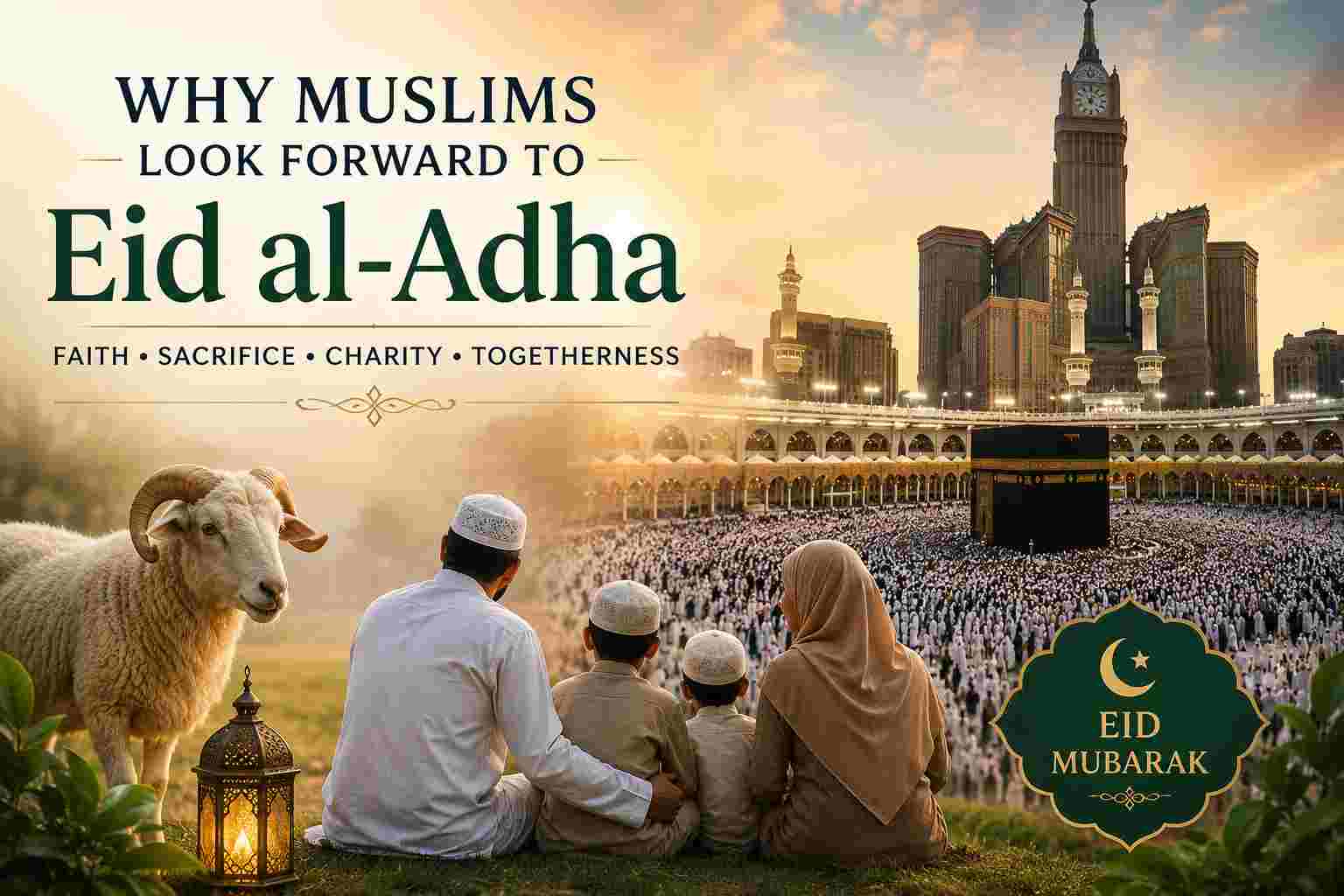
Eid al-Adha commemorates the story of Prophet Ibrahim (Abraham), who was willing to sacrifice his son as an act of obedience to God. According to Islamic belief, before the sacrifice could take place, God replaced Ibrahim’s son with a ram, rewarding his unwavering faith and devotion.
The story symbolizes trust in God, sacrifice, patience, and submission to divine guidance. Muslims remember this powerful lesson every year during Eid al-Adha through prayer, charity, and acts of kindness.
The holiday begins on the 10th day of Dhul Hijjah, the final month of the Islamic calendar, and usually lasts several days depending on the country and local traditions.
The Spiritual Importance of Eid al-Adha
One reason Muslims look forward to Eid al-Adha is its immense spiritual value. The festival arrives during one of the holiest periods in the Islamic year. The first ten days of Dhul Hijjah are considered especially sacred, encouraging Muslims to increase prayer, reflection, charity, and worship.
For those performing Hajj in Mecca, Eid al-Adha becomes even more significant. Hajj is one of the Five Pillars of Islam and a once-in-a-lifetime obligation for Muslims who are physically and financially able. During this pilgrimage, millions gather in unity regardless of nationality, race, or social status.
Even Muslims who are not performing Hajj feel spiritually connected to the occasion through fasting, prayer, and remembrance.
A Celebration of Sacrifice and Generosity
At the heart of Eid al-Adha is the tradition of Qurbani, or ritual animal sacrifice. Families who can afford it sacrifice livestock such as sheep, goats, cows, or camels, following Islamic guidelines. The meat is then divided into portions for family, relatives, and people in need.
This act is not simply about the sacrifice itself. It represents compassion, sharing, and helping those less fortunate. In many communities, Eid al-Adha becomes a time when struggling families receive food and support they may not otherwise have.
For Muslims, the joy of Eid grows when it is shared with others.
Family Gatherings and Community Bonds
Like many religious celebrations worldwide, Eid al-Adha is strongly connected to family and community traditions. Muslims often begin the day with a special congregational prayer before visiting relatives, sharing meals, exchanging gifts, and spending time together.
Children wear new clothes, homes are decorated, and festive dishes are prepared across different cultures and regions. Despite cultural differences, the core values of gratitude, generosity, and togetherness remain universal.
Many Muslims living far from their home countries also describe Eid as a powerful reminder of identity and belonging. Community prayers and celebrations help strengthen emotional and spiritual connections with others.
The Connection Between Eid al-Adha and Hajj
Eid al-Adha is closely linked with Hajj, the annual Islamic pilgrimage to Mecca in Saudi Arabia. Hajj draws millions of Muslims every year and is considered one of the largest religious gatherings in the world.
During Hajj, pilgrims perform a series of rituals that honor the faith and struggles of Prophet Ibrahim and his family. One of the symbolic rituals includes throwing stones at pillars representing the rejection of evil and temptation.
For Muslims watching from around the world, seeing pilgrims gathered in worship creates a deep sense of unity and inspiration.
Why Eid al-Adha Feels Special to Muslims
Muslims look forward to Eid al-Adha for many reasons beyond celebration alone. The festival combines spirituality, charity, tradition, and human connection in a unique way.
Some of the main reasons include:
- Renewing faith and devotion to God
- Spending quality time with family and friends
- Helping those in need through charity and food sharing
- Participating in meaningful religious traditions
- Feeling connected to the global Muslim community
- Celebrating hope, gratitude, and compassion
For many believers, Eid is also a reminder to become more patient, generous, and thankful in everyday life.
Eid al-Adha Around the World
Eid al-Adha is celebrated differently across countries and cultures, yet its central message remains the same. In South Asia, the Middle East, Africa, Europe, and North America, Muslims mark the occasion with prayers, festive meals, and acts of charity.
In some regions, large public gatherings and community feasts are organized. In others, families quietly observe the day with prayer and close relatives. The greeting “Eid Mubarak,” meaning “Blessed Eid,” is commonly exchanged worldwide.
Despite cultural diversity, Eid al-Adha continues to unite Muslims through shared faith and values.
The Modern Meaning of Eid al-Adha
In today’s world, Eid al-Adha also serves as a reminder of empathy and resilience during difficult times. Around the globe, many communities celebrate while facing hardship, conflict, or displacement, yet still hold onto the values of hope and faith.
The festival encourages Muslims to care for one another, support vulnerable people, and strengthen bonds within society. These lessons remain deeply relevant in modern life.