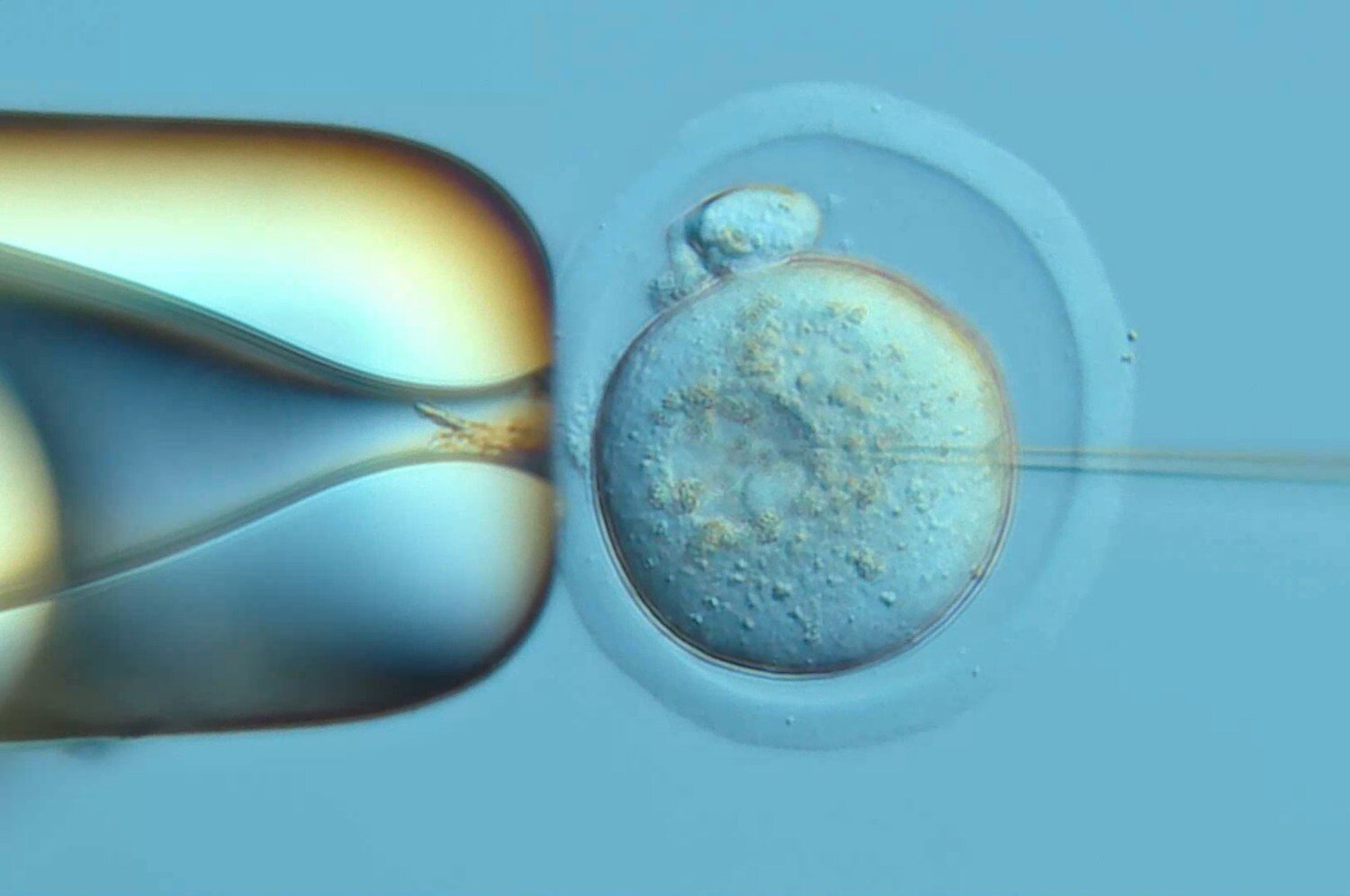
Scientists have developed new DNA tracking methods that reveal how cells grow and develop inside mouse embryos. These methods allow researchers to trace a cell’s family history, from early cell divisions to the formation of tissues and organs.
The research offers a detailed view of mammalian development. It could help scientists understand how cells choose their roles, how organs form, and why some developmental problems occur.
Two research teams reported major advances in October 2026. One team used a tool called DNA Typewriter to reconstruct the history of around 1.28 million cells. Another team used a method called PEtracer to map cell lineages across more than 1.4 million cells from multiple mouse embryos. Both studies appeared in leading scientific journals.
How DNA Tracking Reveals Cell History
A mouse begins its development as a single fertilized egg. That cell divides repeatedly, producing more cells over time. These cells eventually form the brain, heart, muscles, blood vessels, and other parts of the body.
Scientists have long studied these changes. However, it has been difficult to follow the complete history of individual cells inside a developing embryo.
DNA tracking offers a new way to solve this problem. Researchers introduce small, identifiable changes into DNA. As cells divide, they pass these changes to their descendants.
Scientists can later read these genetic marks and work backward to reconstruct which cells share common ancestors. The result is a family tree of cells that shows how different cell populations developed.
Researchers can also study gene activity in individual cells. This helps them connect a cell’s ancestry with its identity and function.
DNA Typewriter Tracks More Than One Million Cells
A team led by researchers at the University of Washington developed the DNA Typewriter approach to record cell lineage during mouse development.
The system uses a molecular recorder that adds genetic marks in a sequential order. These marks build a record of cellular history as development progresses.
The researchers traced cells from the fertilized egg through 13.5 days of development. This period covers major stages of organ formation in mice.
The team reconstructed a lineage tree containing about 1.28 million cells with gene activity profiles. The results helped researchers examine how early cells contributed to later cell populations.
The study appeared in the journal Science on October 8, 2026. It provides a way to investigate how early ancestry relates to the cell types that eventually emerge.
PEtracer Maps Cell Fate Decisions
A separate research team developed a method called PEtracer. The researchers used this approach to install inherited genetic marks as cells divided during early mouse development.
The team combined these marks with single-cell gene expression data. This allowed them to study both the family history of cells and the genes active within them.
The researchers analyzed more than 1.4 million cells across 16 mouse embryos. Their method identified approximately 75% of cell divisions within the reconstructed lineages.
The study also revealed patterns in how cells became specialized. For example, the researchers examined when cells began to favor particular developmental paths and how those choices differed across tissues.
The findings appeared in Cell on October 8, 2026. They provide a detailed resource for studying cell fate decisions during early embryonic development.
Why Cell Lineage Matters
Cell lineage describes the relationships between cells and their ancestors. Understanding these relationships can help scientists explain how a single fertilized egg produces many different cell types.
For example, some cells eventually contribute to the nervous system, while others help form muscles, blood vessels, or internal organs. Researchers want to know when these cells begin following different developmental paths.
DNA tracking helps answer this question by connecting a cell’s current identity with its earlier history.
The methods can also reveal whether cells with similar ancestors tend to develop into similar cell types. This information may help researchers understand how tissues maintain their structure as an embryo grows.
Could This Research Help Explain Birth Defects?
The findings could support future research into birth defects and other developmental disorders.
Some developmental problems occur when cells follow an unusual path or fail to form the correct tissue. A detailed record of cell history may help scientists identify when these changes happen.
The techniques could also improve research into stem cells and regenerative medicine. Scientists may use lineage maps to study how cells develop into specialized tissues and to assess whether lab-grown cells follow expected developmental paths.
Cancer research could benefit as well. Researchers could adapt lineage-tracking approaches to investigate how cell populations evolve and how different groups of cells contribute to disease.
However, these are potential applications. The current studies focus on mapping cell development in mice. The findings do not yet provide direct treatments for human diseases.
What Happens Next?
Researchers can now use these maps to investigate more detailed questions about embryonic development. They may explore how cell ancestry affects tissue formation, how developmental decisions occur, and why similar cells sometimes develop differently.
Scientists will also need to improve and expand these techniques. Tracking every cell division remains challenging, and results from mouse embryos cannot automatically be applied to humans.
Future research may combine DNA lineage records with spatial imaging and additional molecular data. This could show not only where cells came from, but also how their positions and surroundings influence their development.
A New View of Embryonic Development
DNA tracking is giving scientists a more complete picture of how a mammal develops from a single cell. By recording inherited genetic changes, researchers can reconstruct cell family trees and connect them with gene activity.
The DNA Typewriter and PEtracer studies demonstrate how these methods can map development at an unprecedented scale. As scientists refine the technology, it could deepen our understanding of organ formation, cell specialization, and the biological causes of developmental disorders.